Entry 03
How long does food last in a cool box when camping?
- Logged
- Weather
- Warm spells above all, and sunny pitches with no shade
- Pitch
- Any pitch without a fridge
- Written by
- The editors, about 5 minutes to read
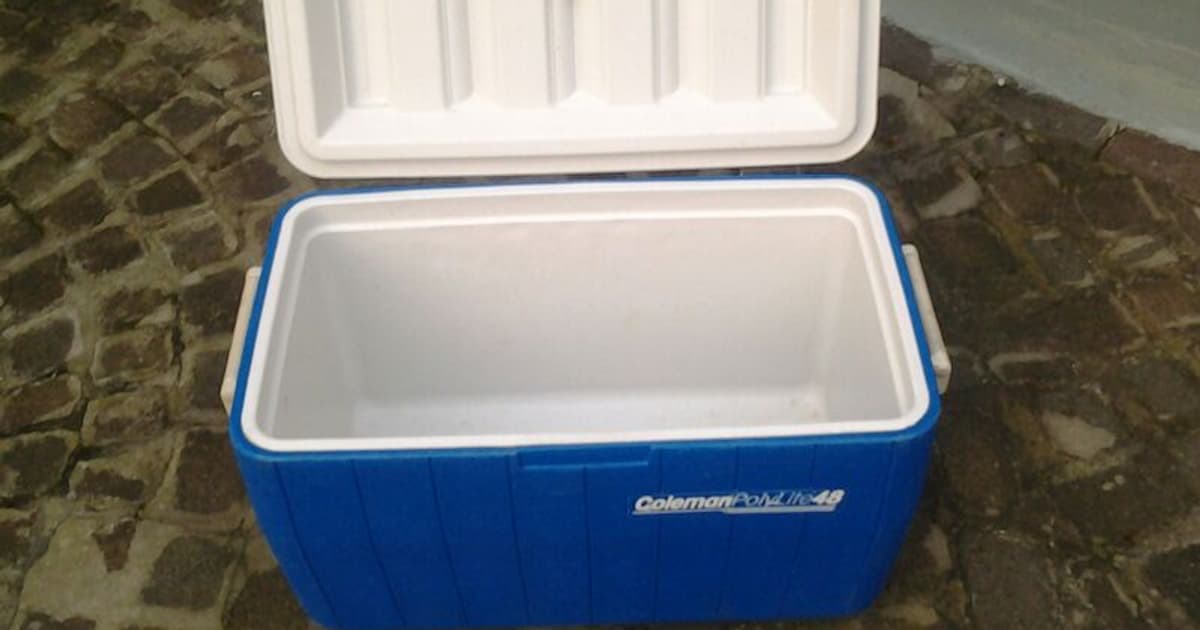
Temperature decides this, and the box's sales blurb does not. The Food Standards Agency says that after four hours or more at 8°C and above, the risk from bacteria rises and food may become unsafe. In extremely hot weather, it says to use chilled food within two hours of leaving the fridge.
So there is no honest single figure for how long food lasts in a cool box. A well-packed box, in the shade, with enough frozen packs may stay under 8°C for a good while. A half-empty box on a sunny pitch, opened every ten minutes, may not last the afternoon. The FSA's page is written for picnics, but the same logic applies on a campsite. The difference is that you are doing it for days, so you need a plan as well as a rule.
Measure it, do not guess
A cheap fridge thermometer is the most useful thing you can put in a cool box. It turns the question from a guess into a reading. For comparison, the FSA says a home fridge should be set between 0 and 5°C, so a cool box is always working at a disadvantage. Check it first thing in the morning and again once the day has warmed up.
If you get a reading of 8°C or above and do not know how long it has been there, treat chilled food with suspicion. Smell is no test, either. Food can carry harmful bacteria and still seem fine.
How to pack the box
Most of this is straight from the FSA's picnic advice, with a little extra for the longer haul:
- Spread the ice packs. Put them through the box or bag, and not just at the bottom. Frozen drinks can pull double duty.
- Start cold. Chill the box and the food before you pack it, so the ice is not wasted cooling everything down.
- Use two boxes if you can. The FSA suggests separate ones for food and drinks, because drinks are what get the lid opened most.
- Shade it. Keep it out of direct sunlight, which also rules out a closed car on a warm day.
- Open it as little as possible, and only take out what you need at that moment.
- Keep raw meat sealed and apart. The FSA's barbecue advice is to keep raw meat away from cooked and ready-to-eat food. In a box, that means a sealed container, low down, so it cannot drip.
The Club notes that Club Sites often have ice pack freezing facilities. Ask about this when you book, wherever you stay, and take a spare set of packs to rotate. Top-up ice from a shop will also help, but keep food out of the meltwater.
Eat in the right order
You will not manage a long weekend from one cool box without some sequencing. This is how we would order a three-day trip, on the basis that the box loses its grip as the days pass.
- First evening: raw meat, fish and anything else that would worry you most. Buy it as close to leaving as you can.
- Second day: dairy, cooked meats, prepared salads and dips, if the thermometer says the box is still doing its job.
- Later on: hard cheese and sturdy vegetables, then tins and dried food, which ask nothing of the cool box.
Or shop as you go. The Club's beginners' guide suggests thinking about how close you are to a supermarket, so you do not have to carry and store everything. A local shop on day two beats a four-day-old pack of chicken. Our one-burner meals are designed around cupboard food for this reason, and the Club's list of camping staples is good on what survives without any cooling: tinned fish, beans, oats, pasta, oil in place of butter, long-life milk. It says eggs do best under 20°C.
Leftovers and cooked food
Leftovers are the awkward part of camp cooking, because the usual route into a fridge is not there. At home, the FSA says to cool cooked food and refrigerate it within one to two hours, eat it within 48 hours, and only reheat it once. A cool box cannot be relied on to match that, and hot food will warm everything around it.
The simple answer on a campsite is to cook what you will eat. If you do keep something, cool it quickly in a shallow container, then put it in a box that is reading well under 8°C. Eat it the next day at the latest and heat it until it is steaming hot all the way through. Otherwise, bin it.
Rice deserves its own line
Rice is a camp staple, but it is a poor leftover. The FSA says to chill leftover rice within one hour, keep it in the fridge for no more than a day, and reheat it only once until steaming hot. It warns against leaving it to cool in the pan. It also makes the point that reheating is not the problem as such: how the rice was stored beforehand is. Without a real fridge, make the amount you need.
What to do with food at the end of the trip
When you get home, the FSA's picnic rule is useful: if you were out for less than four hours and the food still feels cool, it can go back in the fridge. Otherwise, throw it away. After a whole weekend, chilled food that has been through the box is almost always in the second group. It hurts a bit, so pack less next time. The FSA makes the same point, recommending you plan portions and take only what you need.
Wash hands, even when it is awkward
Raw meat on a pitch with no sink is a good way to spread trouble. Wash your hands before preparing food and after touching raw meat, and take hand-sanitising wipes or gel for when you cannot, as the FSA suggests. It also says to use separate tongs, knives and chopping boards for raw and cooked food. Those extras are on our kit list.
If someone does get ill, most stomach upsets pass on their own, but contact NHS 111 if you are worried or the symptoms are severe. Also bear in mind that a headache and nausea shared across a tent may have another cause entirely, as our carbon monoxide entry explains.
Checked against
- Camping and Caravanning Club: Camping for beginners
- Camping and Caravanning Club: Camping foods
- Food Standards Agency: Keeping food safe on a picnic
- Food Standards Agency: How to chill, freeze and defrost food safely
- Food Standards Agency: Home food fact checker
- Food Standards Agency: Cooking your food
- Food Standards Agency and UKHSA: Common BBQ blunders
We last opened these pages on 8 November 2026. Rules and guidance change, so treat the original as the final word.